
Nonsense

Like all of us, I have memories of feeling left behind—moments that still sting: overhearing girls talk about birthday parties I wasn’t invited to, realizing my friends cared more about their families than they cared about me, not passing my 12s tables. These experiences taught me about the stress of navigating belonging. Social hierarchy is stressful for children. There’s no release valve when you’re forced to see the same peers every single day. Yet if adults were thrust into the same environment, I suspect the dynamics wouldn’t play out so differently—probably worse, with sex involved. So what’s changed, aside from a higher tolerance for rejection and maybe a sharper sense of where we fall in line?
As a kid, I wasn’t weird the way some kids were. I liked to perform, that’s all. But some kids were absolute freaks—you know who I mean. I was lumped in with them despite having better social skills and a finger on the pulse of pop culture. Not being cool left me nowhere else to go. My allyship was simply a means of survival. Even so, I had standards, which is why I swam away from Heather one summer day at YMCA camp as fast as I could and pretended I couldn’t hear her calling after me. She couldn’t swim and wanted me to stay in the shallow end with her—a metaphor not lost on me. Not only was Heather socially odd, but she was also fat, and that simply would not do. She really did not have a chance; God bless her.
Despite being a bitch to Heather that one time, I consider myself big on inclusivity. I’ve felt the pain of abandonment so intensely that the thought of imposing it on someone else is unacceptable. But what does it mean now, at age 34, to be inclusive or included? The social landscape feels entirely arbitrary. Inclusion requires power because that’s actually what we’re offering: risking a piece of our own belonging for someone else, taking a hit so they aren’t left outside the cave overnight in the cold, likely to be eaten by a saber-toothed tiger.
As far as I can tell, gaining power is the primary goal of adult life, or maybe life in general. By “power,” I mean the degree of ability to affect the human and natural world around us. Money, family, property—tools accumulated to influence. Power is similar to control; control is just power with a focused purpose. Though there’s no control without power, there can be power without control.
We love control. It is found in all we find beautiful. The arts, and even sports, are reflections of that. Free-flowing creative expression is, in reality, usually a highly controlling person creating a sense of order for themselves by displaying mastery over one niche medium. I personally find power granted through self-discipline to be the most admirable.
I think we use the word "vulnerable" so often these days that we forget it means to be exposed to the possibility of harm or rejection. To request inclusion and to extend it both take vulnerability. Power might build our world, but empathy gives it life. That being said, I probably still would swim away from Heather. Or maybe I should have set her expectations of me much lower right off the bat. I’ve always been a little too nice, then had to pay for it.
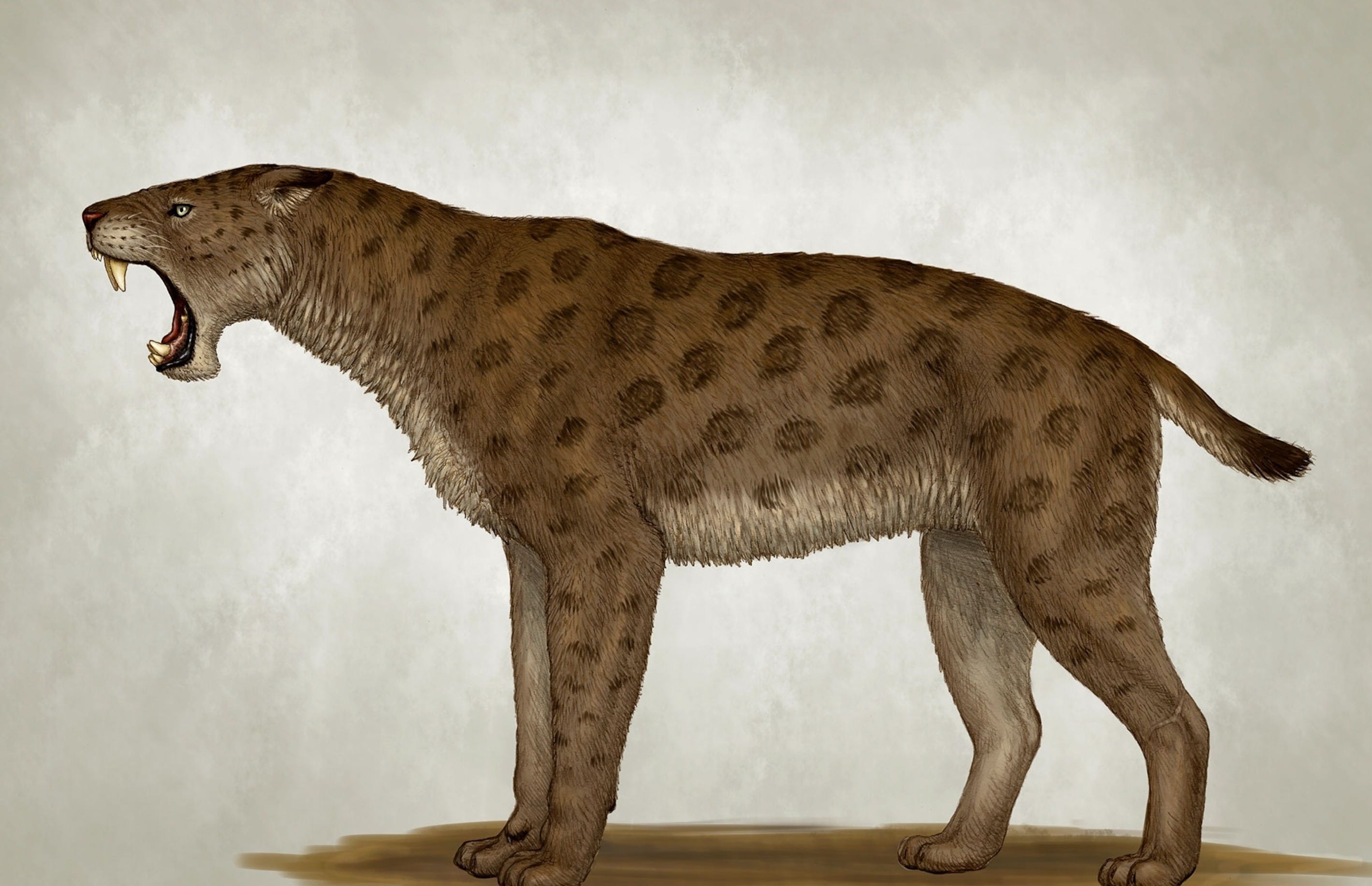
"I’ve felt the pain of abandonment so intensely that the thought of imposing it on someone else is unacceptable."
I've never read something that put into words in such an exquisite way what I've been feeling since I was a little kid.
I've always been a lonely kid, I used to count the seconds until recess finished so I could go back to class. Since then, whenever I saw someone alone in public I felt so much empathy and sadness for that person, I couldn't let them go through what I passed when I was little. Your words describe exactly that feeling, I thought I was the only one. Thanks 🙌.